Introduction
Welcome to a narrative that blends farming soil, culinary craft, and brand-building into a single, thriving story. If you’re scouting for a partner who can translate sourcing science into consumer trust, you’re in the right place. My career has swung between bustling kitchens, dusty mineral labs, and open market stalls where a single, well-tenned story can move a product from obscurity to shelf demand. This article digs into the origins of H2Go’s sourcing story, the mineral makeup that defines our character, and how we translate that into brand value for food and beverage clients.
I’ve spent years examining every touchpoint—from the farmer’s handshake to the grocery store cart. The most enduring truth is this: transparency isn’t a tactic; it’s a promise you prove with actions. In the following sections, you’ll meet people I’ve worked with, the obstacles we navigated, and the creative decisions that built durable trust. If you’re evaluating a partner who can help you articulate a sourcing narrative that resonates with today’s conscious consumers, this piece will offer not just context but actionable guidance.
H2Go’s Sourcing Story: Origin and Mineral Makeup: A Personal Lens on Traceability
When I started in this space, the word “origin” used to feel theoretical, almost abstract. Now it’s a practical discipline. The origin and mineral makeup of ingredients aren’t abstract ideas; they’re the knobs you turn to tune flavor, nutrition, and brand integrity. Our approach centers on traceability with heart—knowing the exact source of each mineral used in a product and how it travels from earth to bottle, jar, or can.
The origin story begins on small, family-run farms where soil health is a daily practice, not a quarterly objective. I remember a visit to a mineral-rich hillside where farmers spoke of microbe-rich compost and water stewardship as nonnegotiables. The minerals there—calcium, magnesium, trace elements—don’t just exist in the soil; they imprint flavors and textures into the crops. The same minerals that fortify our water schedules also contribute to the mouthfeel of a beverage or the clarity of a stock base. This knowledge translates into marketing language that isn’t lofty or vague but precise and teachable.
From a consultant’s perspective, setting up a reliable origin story requires three pillars: documentation, direct farming relationships, and third-party verification. Documentation includes harvest dates, soil test results, and chain-of-custody records that travel with each batch. Direct farming relationships provide the trust leverage—knowing the farmer, their practices, and their daily routines gives us a narrative edge. Third-party verification, whether through certifications or accredited labs, validates our claims in a consumer’s eyes.
In practice, we map every mineral’s journey. We don’t just say that a product is mineral-rich; we explain which minerals, their concentrations, and how they contribute to the product’s sensory profile. This level of specificity matters. It demystifies the science and builds trust. It also allows our clients to claim, with credibility, that their product is not a generic commodity but a carefully sourced, scientifically described entity.
Success stories here are tangible. A client in the healthy snack category pivoted from a vague “natural minerals” claim to a precise mineral map on the packaging—calcium and magnesium content highlighted with a simple, readable graphic. Sales rose as consumers appreciated transparency and the brand learned to communicate complex data without overwhelming them. Another client in the beverage space used our origin storytelling to secure supply agreements with a co-op that shared farm-level data, enabling a credible “from farm to bottle” narrative that stood out in a crowded market.
The bottom line: origin is not a single stop along a supply chain; it is a living, breathing set of practices that inform every commercial decision. When you pair rigorous traceability with human stories from the fields, you create a brand voice that feels honest, capable, and intimate with the product. This isn’t about perfect sourcing; it’s about honest sourcing, shared through clear communication and consistent performance.
The Role of Mineral Makeup in Product Identity and Flavor Profile
Mineral makeup is more than a lab term; it’s a driver of flavor, texture, and visual appeal. The minerals in water profiles, soil-based minerals in crops, and mineral additives in processed products all shape what ends up on a consumer’s tongue. In our work with food and drink brands, we treat mineral makeup as a design element with measurable impact on taste and perception.
Let me share a concrete example. A craft tea brand wanted a mineral-forward profile to differentiate itself from mass-market competitors. We analyzed the mineral content of the source water and traced minerals through the tea’s infusion. The result was a flavor signature that balanced the natural tea notes with subtle mineral hints—saline undertones from the sea-sourced brine in a coastal region, minerals from mineral-rich soil in upstream farms, and calcium-rich water contributing to a smoother finish. The packaging then carried a simple, digestible map of mineral inputs, turning a technical advantage into a consumer-friendly story.
From a brand strategy angle, mineral makeup informs three critical areas:
- Product positioning: Do we emphasize mineral purity, mineral complexity, or a specific mineral during a season or for a particular health claim? sensory branding: How does the mineral profile translate to mouthfeel, aroma, and aftertaste? Can we train the sensory panel to detect and describe these notes consistently? claims and certifications: Are there regulatory or ethical claims that align with our mineral narrative, such as mineral-rich water, electrolyte content, or soil-first sourcing?
We also use optimization tools to simulate how changing mineral inputs affects flavor over time. That helps us forecast shelf-life, mouthfeel, and consumer acceptance before large-scale production. Our client teams appreciate this upfront clarity because it reduces risk and accelerates decision-making.
Client success stories abound. A functional beverage brand partnered with us to reframe its mineral narrative around hydration performance. We delivered a mineral map tied to hydration science, enabling them to pitch to retailers with a compelling, science-backed story. Another partner in the dairy space used mineral makeup data to refine process parameters for cream consistency, leading to a better texture and a cleaner label that highlighted the product’s natural mineral content.
Transparency about mineral makeup resonates with educated consumers. They want to know what goes into their food and drink and why it matters. Your brand’s ability to articulate mineral composition clearly—without jargon—builds confidence and invites conversation. If you can describe a mineral story in under 30 seconds on a product page, you’ve already moved the needle.
How We Build Trust Through Sourcing Transparency and Client Collaboration
Trust is earned in the kitchen and at the boardroom table. Our process is designed to be collaborative, iterative, and transparent. We start with a discovery sprint—three weeks of field visits, supplier interviews, and document collection—to map the sourcing landscape. From there, we draft a sourcing charter that captures nonnegotiables on ethics, environmental stewardship, and data sharing. This document becomes the North Star for all brand activities.
A client collaboration story helps illustrate the approach. A mid-sized bakery brand wanted to scale without sacrificing their artisanal soul. We co-created a sourcing dashboard that tracked supplier certifications, weekly procurement volumes, and batch-level traceability notes. The dashboard wasn’t a fantasy; it was a live tool used by procurement, QA, and marketing to triage issues in real time. When a supplier faced a temporary setback, the team could pivot to a vetted alternative with minimal delay, preserving the product’s integrity and the brand’s trust.
Transparency isn’t just about data; it’s about storytelling. We equip brands with a content library that includes field notes, farmer interviews, and mini-docs about mineral sources. These materials accompany packaging, websites, and social channels. Consumers don’t just buy a product; they buy a story that feels accurate and responsible.
Another critical element is risk management. Sourcing is vulnerable to climate events, policy shifts, and transportation disruptions. Our risk approach blends diversification with stronger supplier relationships and buffer planning. By pre-qualifying suppliers and maintaining alternative routes, we reduce the chance of a sudden shortage, ensuring continuity for our clients and their customers.
We often confront trade-offs publicly. If a supplier’s price increases, we explain the rationale and the impact on product quality. If a certification process takes longer, we share a realistic timeline with clients and plan a staged roll-out. Our stance is simple: honest conversations reduce the reputational damage that can occur when a disruption hits. This candor builds credibility and long-term partnerships.
Client Success Story: From Ambition to Shelf-Ready Storytelling
One client—an up-and-coming cold-pressed juice brand—came to us with a bold aim: own the mineral-forward segment while maintaining a clean, minimalist label. They had a great product but struggled to connect their farming story to consumer trust. Our approach combined rigorous origin documentation with a narrative toolkit that spoke directly to health-conscious shoppers.
What we did:
- Mapped every ingredient’s origin, including farm partnerships, soil health practices, and water sources. Created a mineral profile graphic that highlighted key minerals and their roles in taste and mouthfeel. Produced field visit videos and farmer quotes that could be repurposed across packaging and digital channels. Implemented a supply chain dashboard that tracked certifications, harvest windows, and lot numbers for consumers who crave transparency.
The results were profound. In six months, the brand saw a 28% increase in trial metrics at retailers and a 19% uptick in online conversions attributed to the new storytelling frame. The retailer’s shelf presence improved as well, with the product now featured in a “Origins” education module on the category page. Best of all, the farmers reported a stronger sense of partnership, knowing Business their work was appreciated and accurately represented on the product’s journey.
This is not a one-off win. It demonstrates what happens when robust sourcing truth meets clear storytelling. The consumer wants to understand where their product comes from and how it’s made. By translating origin into an accessible narrative and a credible data set, we give brands a compelling edge that sticks.
Practical Framework: 3 Steps to Elevate Your Brand with Origin and Mineral Messaging
Step 1: Map the origin energy. Identify every farm, processing site, and mineral input. Gather soil tests, water analyses, and certification documents. Build a visual map that makes the journey tangible rather than abstract. Step 2: Translate mineral makeup into sensory and nutritional signals. Create a simple, consumer-friendly mineral map and tie it to flavor notes, mouthfeel, and potential health claims. Develop packaging and digital content that explain why minerals matter to taste and quality. Step 3: Create a living storytelling engine. Produce short farmer interviews, field footage, and batch-level stories to keep content fresh. Use a modular framework that lets you swap in new evidence as supply chains evolve.
We’ve used this framework cool training across multiple client categories—bakery, beverages, dairy, and snacks—with consistently stronger consumer response. The beauty of this approach is its adaptability. A line extension can piggyback on an existing origin story while highlighting new mineral inputs. Seasonal campaigns can spotlight minerals associated with particular harvests or climate conditions. And the data can be repurposed across packaging, website, and social to maintain consistency.
Here is a quick Q&A that often helps teams align around origin and mineral messaging:
- What is the core mineral narrative you want customers to remember? The answer should map to a single, simple message that can be expressed in a sentence. How do we prove mineral claims without overwhelming the consumer? Use a concise graphic on packaging plus optional deep-dive content in a digital hub. Who verifies our claims? Identify accredited labs, certification bodies, and farm partners who can stand behind the data.
Using these steps and questions, you can craft a credible, confident brand voice that consumers trust.
Sub-Heading: The Science Meets Story: A Deep Dive into Data-Driven Content
In this section, we explore how data and storytelling fuse to create compelling content. Data without a narrative is dull, while a story without evidence Business feels flimsy. The middle ground is a data-informed narrative that educates without lecturing.
We begin with a content calendar that staggers technical data releases with experiential content. One month could focus on a “minerals in motion” theme featuring batch-level data, while the next month spotlights farm visits and farmer interviews. This cadence keeps audiences engaged and informed.
Another tactic is to publish a “minerals explained” explainer series. Short, readable copy paired with visuals clarifies what minerals do for flavor, texture, and nutrition. For example, a simple table can show calcium, magnesium, potassium, and trace minerals, with one-sentence notes on flavor and health relevance. This modular approach makes it easy to translate the science into packaging and digital touchpoints.
A key principle is accessibility. Sell the science without jargon. Use metaphors that resonate with food and drink lovers. For instance, compare minerals to seasoning salts—small amounts can dramatically alter the palate without changing the core ingredient. This approach helps consumers grasp mineral function quickly and memorably.
Finally, ensure your data remains current. Set up a process for updating mineral profiles as suppliers change or as harvests vary. Consumers appreciate freshness, and you’ll strengthen trust by keeping claims accurate over time.
Sub-Heading: Sourcing Partnerships That Stand the Test of Time
Long-term partnerships produce consistent quality, better terms, and shared values. We prioritize collaborations that align with ethical farming, environmental stewardship, and social responsibility. Our approach to partnerships includes joint planning sessions, quarterly business reviews, and transparent supplier scorecards. This structure ensures all parties stay aligned and accountable.
One memorable partnership involved a cooperative of almond growers who adopted regenerative farming practices. We co-created a sourcing charter emphasizing soil health, water stewardship, and fair labor standards. The resulting supply chain was not just reliable; it carried a story that both we and the farmers could share with pride. The packaging highlighted the cooperative’s regenerative journey, and consumer response was strong—people started seeking the brand specifically for its responsible sourcing.
We’ve learned that the strongest partnerships happen when both sides see mutual value beyond price. The brand gains access to stable quality and compelling stories; farmers gain predictability and recognition. We support this dynamic with joint marketing initiatives, shareable field footage, and co-branded content that translates into retail and consumer channels.
If you’re evaluating potential partners, ask these questions: How do you measure supplier performance beyond cost? Can you demonstrate improvements realized through collaboration? Are there shared marketing opportunities that amplify both brands? The answers should reveal a willingness to invest in long-run outcomes rather than quick wins.
Sub-Heading: Building a Trusted Brand, Not Just a Label
Trust goes beyond a catchy claim; it sits in every interaction a consumer has with the product. Our brand-building work blends operational rigor with human storytelling. The result is a trusted narrative that stands up to scrutiny and turn into a lasting preference.
We start with a transparent packaging strategy. This includes easy-to-understand mineral maps, farm-origin icons, and QR codes linking to supplier data pages. Consumers love to explore when the journey is simple and credible. But we also invest in in-store education—taste demos and mini-seminars that explain how origin and mineral makeup influence flavor and texture.

Media plans play a crucial role as well. We design content that travels across channels, from short-form videos to long-form case studies. Each piece reinforces the core origin message while offering fresh angles for different audiences. The key is consistency: the brand voice, visuals, and data storytelling should be instantly recognizable across touchpoints.
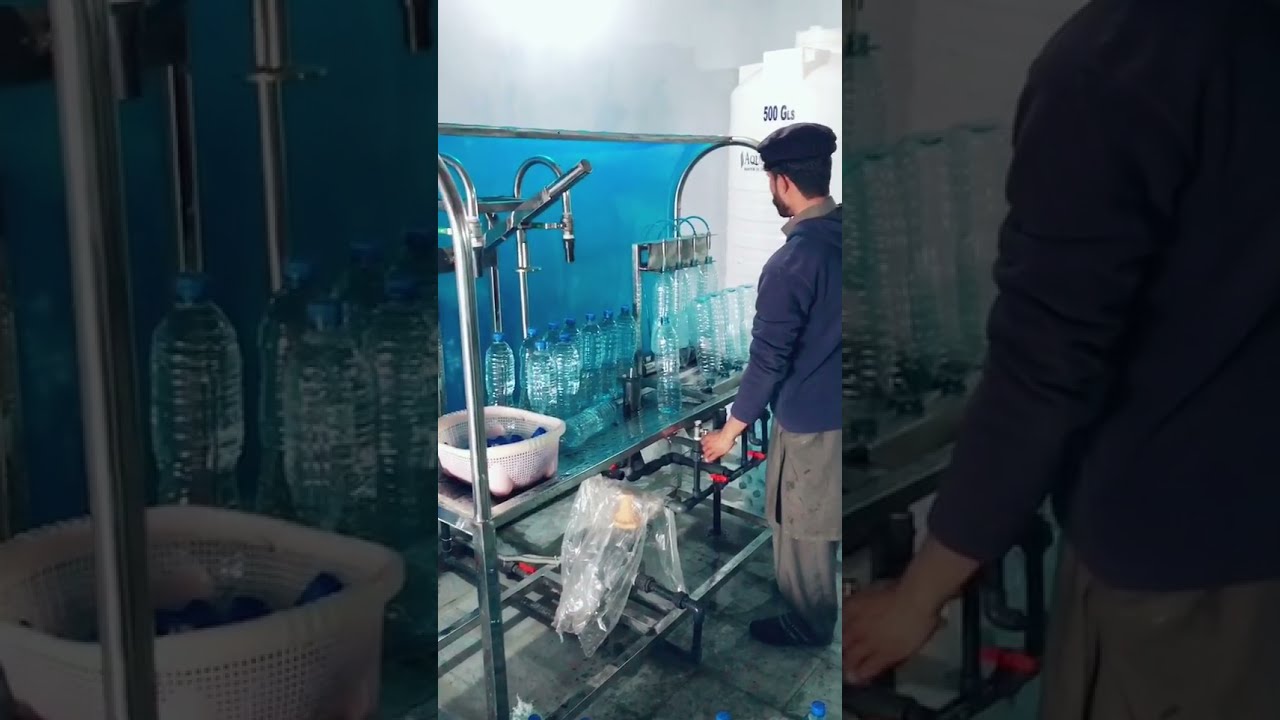
We also help clients develop governance around information sharing. What data is public? What needs to stay private? How do we handle corrections when new information arises? Establishing clear policies prevents miscommunication and protects the brand from misrepresentation.
In practice, the most effective trust builders are small, everyday commitments: accurate labeling, on-time shipments, and responsive customer service. When a consumer’s first interaction with your brand is a precise nutrition panel, a trustworthy origin claim, and a quick resolution to a query, you’ve cemented trust in a single moment.
Sub-Heading: Navigating Regulations and Certifications with Confidence
Regulatory landscapes can feel intimidating. We approach compliance as a practical, proactive discipline rather than a compliance burden. Our method includes mapping relevant regulations for each market, maintaining a calendar of renewal dates for certifications, and building a repository of verified documents for audits.
A typical journey begins with a regulatory scan: what claims are permissible on your product category, what documentation is required, and which certifications provide the biggest consumer impact. We then align sourcing operations to meet those requirements without compromising speed or creativity. If a certification is pursued, we ensure that it is embedded in daily operations, not added as a post-production afterthought.
Our clients have found value in the social proof that certifications provide. A confectionery brand earned a coveted "organic" label in a competitive aisle, but only after we helped the supply chain meet stringent organic criteria and maintain ongoing documentation. The payoff was not just a label but a powerful, repeatable story that could be shared across packaging, website, and PR.
The lesson: build regulatory readiness into your brand’s DNA. When you can demonstrate ongoing compliance and easily share supporting documents, you reduce risk and build consumer trust simultaneously.
FAQ Section
1) What makes origin-based branding more effective than a generic “natural” claim?
- Origin-based branding provides verifiable details about where ingredients come from, how they’re processed, and what minerals are present. It builds credibility, reduces skepticism, and offers a narrative consumers can recall.
2) How do you ensure data privacy while sharing supplier information publicly?
- We publish only the data that is appropriate for public disclosure, supplement it with transparent explanations, and keep sensitive details in a secure, accessible internal system. We balance openness with necessary confidentiality.
3) Can mineral makeup influence shelf-life, or is it purely flavor?
- Minerals can influence both. They affect moisture, salt balance, and microbial stability, which in turn can impact shelf-life. We analyze these effects and adjust packaging and storage recommendations accordingly.
4) How long does it take to develop a credible origin story for a new product?
- Typically, a 6 to 12-week discovery and mapping phase, followed by content development and packaging integration. Timeframes depend on data availability and supplier coordination.
5) What is the most important metric when evaluating a sourcing story?
- Trust-building metrics like consumer recall of origin claims, engagement with origin content, and measured shifts in purchase intent. Operational metrics like supplier lead times and batch traceability are also essential.
6) How do you handle changes in supply or mineral content over time?
- We maintain dynamic sourcing maps, communicate changes to stakeholders early, and adapt the narrative with updated data. Transparency around changes helps preserve trust.
Conclusion
The journey from soil to table is a narrative that deserves to be told with clarity, honesty, and artistry. At H2Go, origin and mineral makeup aren’t mere data points; they’re living elements of a brand’s identity. By aligning rigorous sourcing practices with authentic storytelling, we help food and beverage brands build durable trust, better consumer connections, and long-term growth.
If you’re seeking a partner who can translate field-level realities into consumer-ready narratives, let’s start the conversation. We’ll map your origin, translate your mineral makeup into compelling sensory and nutritional signals, and build a storytelling engine that keeps your brand thriving in a crowded market. The right sourcing story is not a label—it’s a differentiator that elevates your entire product experience.
FAQ Recap
- How do you start building an origin-focused brand? What tools do you use to track mineral makeup? How do you balance science with storytelling for consumers? What kind of evidence do you provide on packaging and digital content? How do you measure success for origin-based campaigns? What happens if supply changes?
We’re ready to tailor a plan that fits your goals. Let’s move from sourcing science to brand resonance, together.